I took a trip down to Howard Park and Seitz Park in downtown South Bend, IN for some evening long-exposure photography.
These shots are bracketed, high dynamic range (HDR) exposures. I shot three frames for each scene—one at the metered exposure, one at +3 EV, and one at -3 EV—and merged them in Lightroom. This technique captures a much wider dynamic range than a single exposure allows, making it possible to recover deep shadow and highlight details before tonemapping the final images for standard SDR displays.
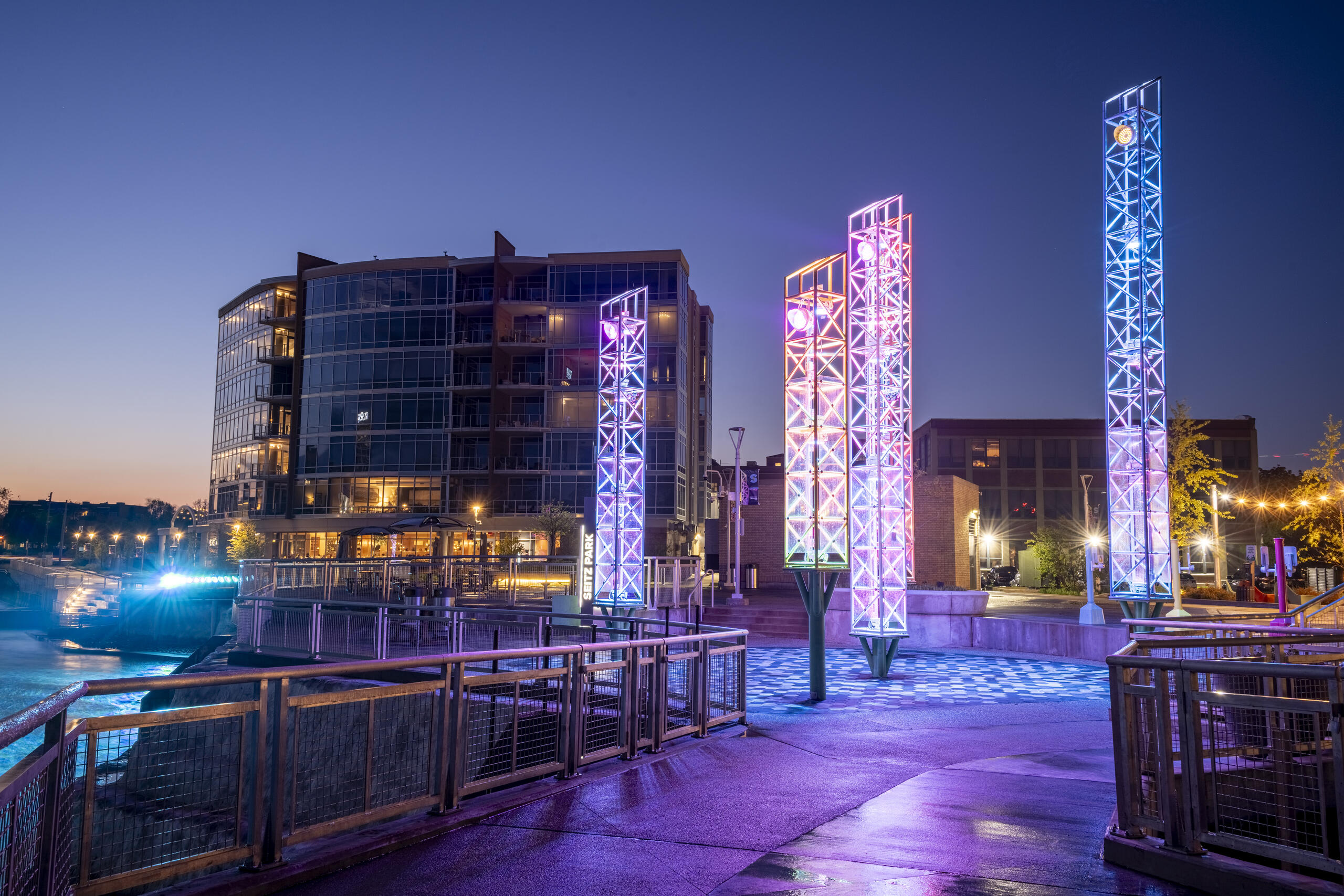
NIKON Z 7, NIKKOR Z 28mm f/2.8, 1/4, f/11.0, ISO 100
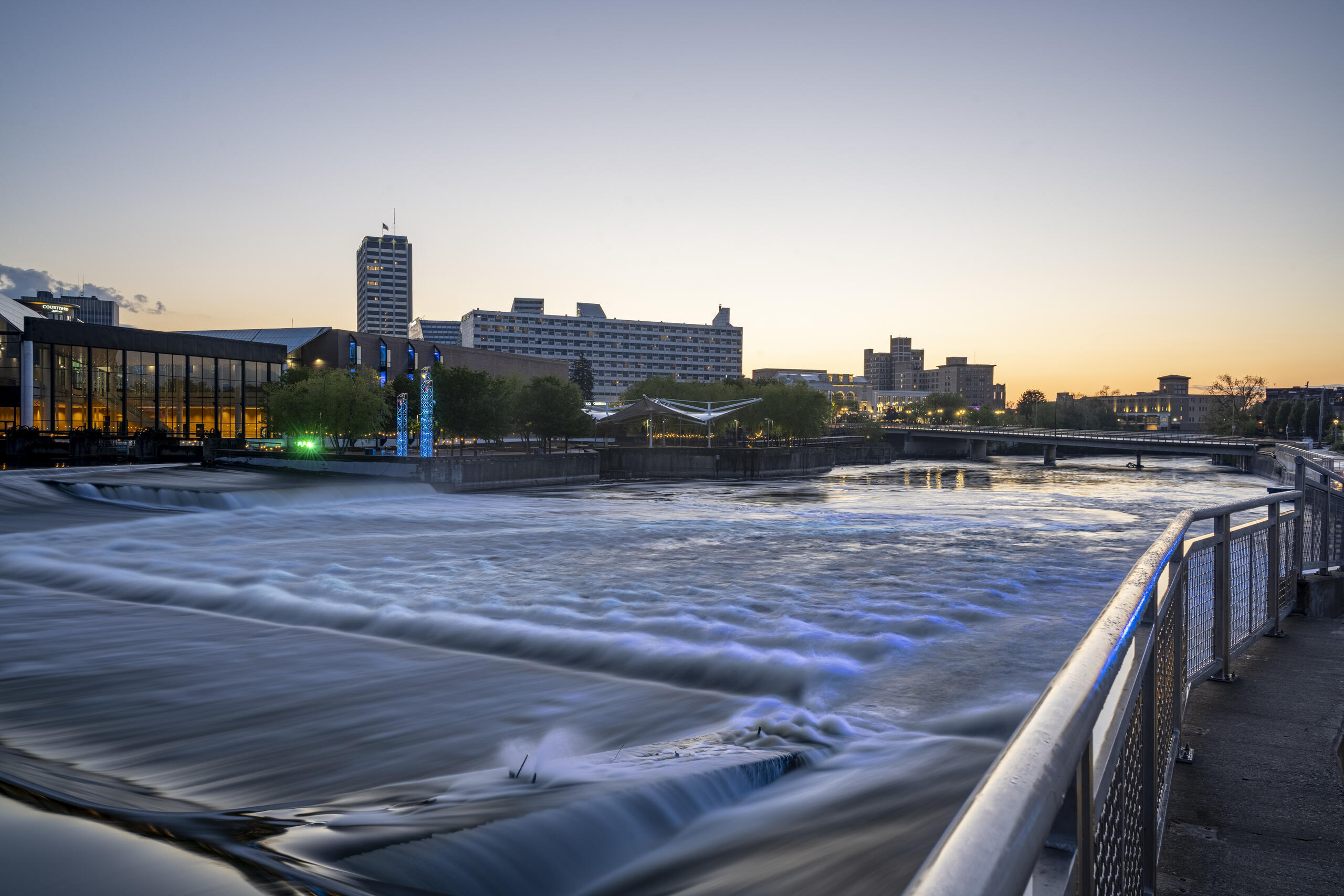
NIKON Z 7, NIKKOR Z 28mm f/2.8, 1/8, f/11.0, ISO 100
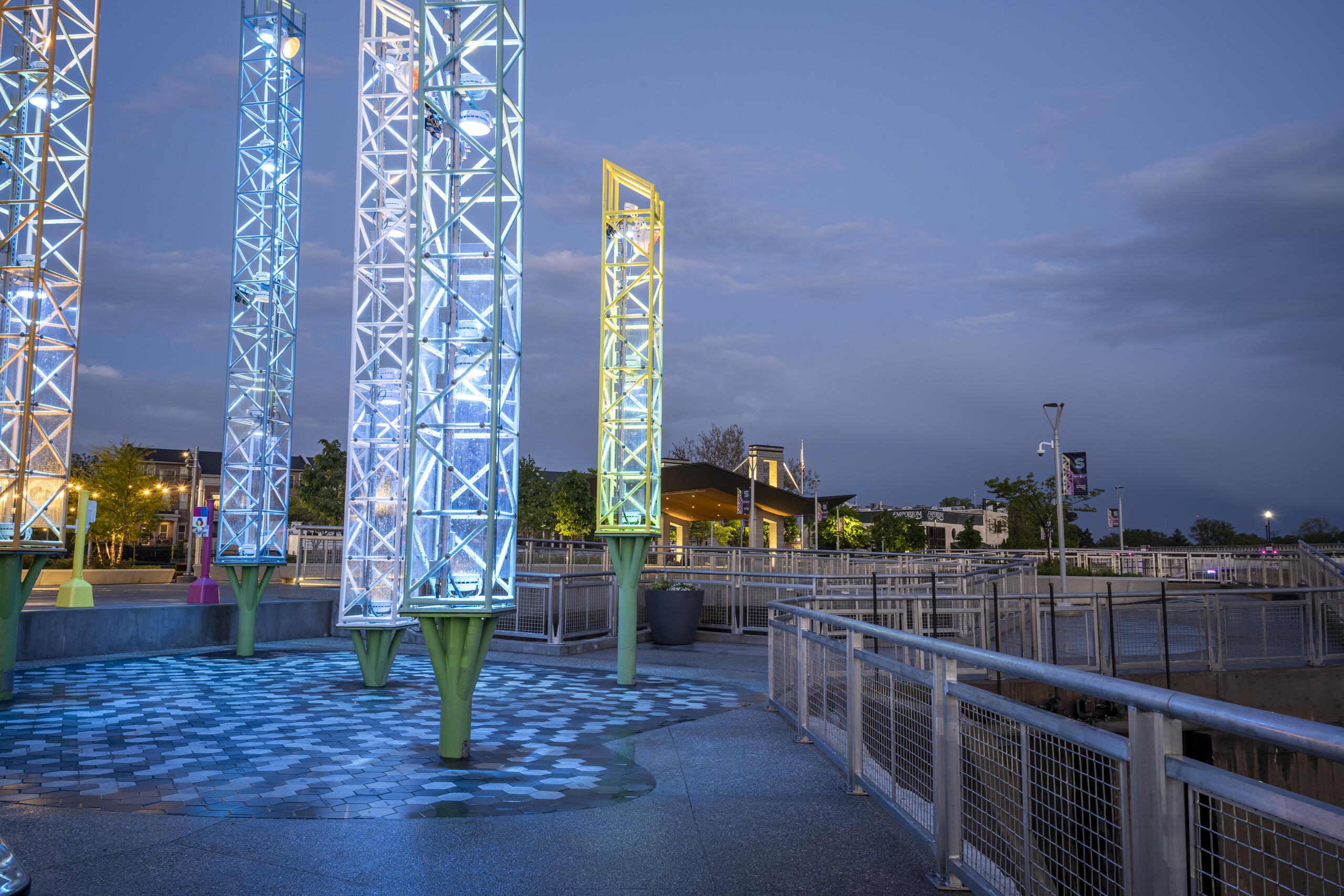
NIKON Z 7, NIKKOR Z 28mm f/2.8, 0.3, f/11.0, ISO 100
However, HDR bracketing proved challenging in frames with moving water. Long exposures naturally blur the current, meaning the water in the deep shadows (the longer exposures) was significantly blurrier than the water in the bright highlights (the shorter exposures). Trying to stitch those mismatched textures together became a bit of a mess.
The brilliant colors along the St. Joseph River come from the specialized light installations along the bank, which beautifully illuminate the water but definitely exacerbated the ghosting and blurring issues.
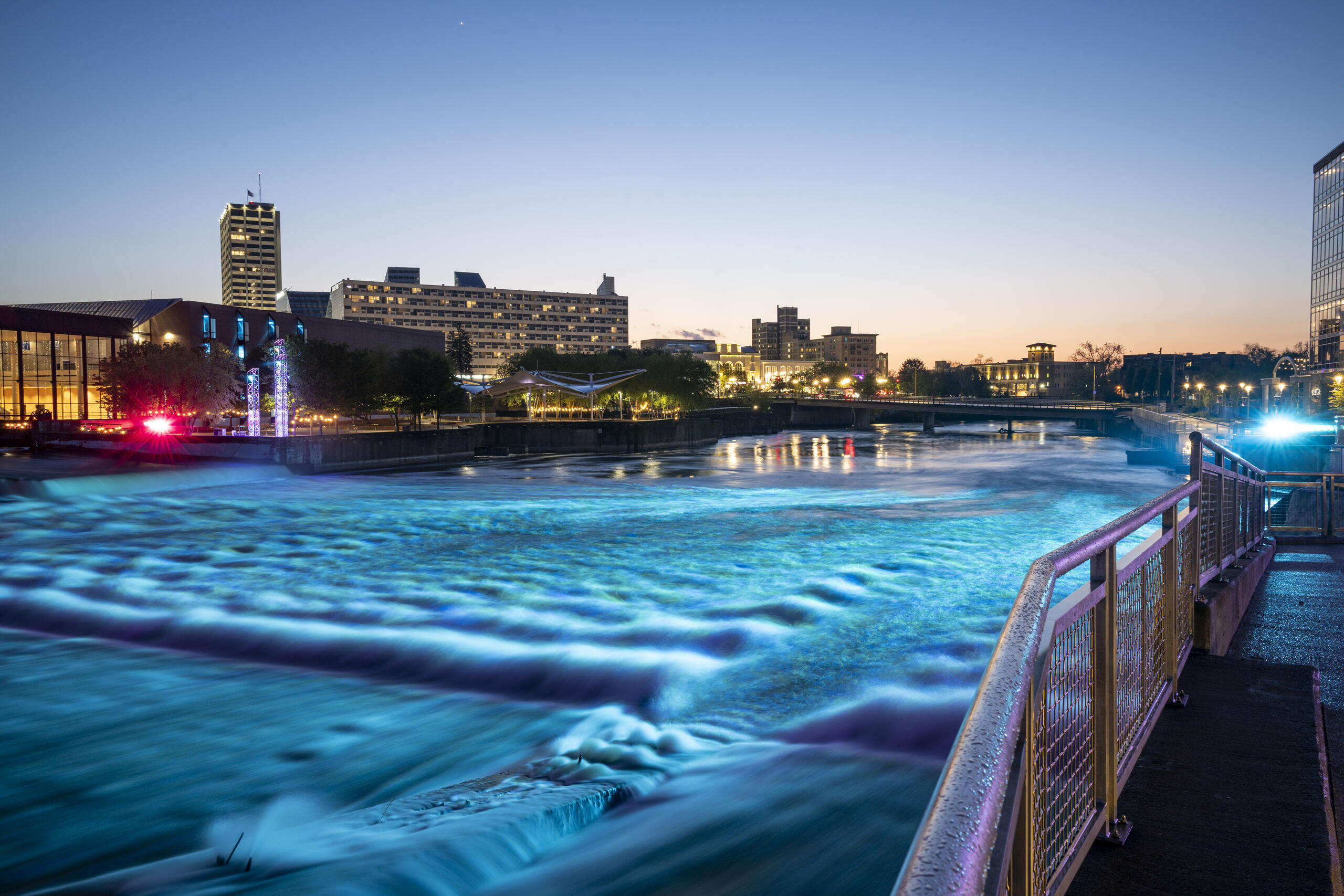
NIKON Z 7, NIKKOR Z 28mm f/2.8, 6, f/11.0, ISO 100
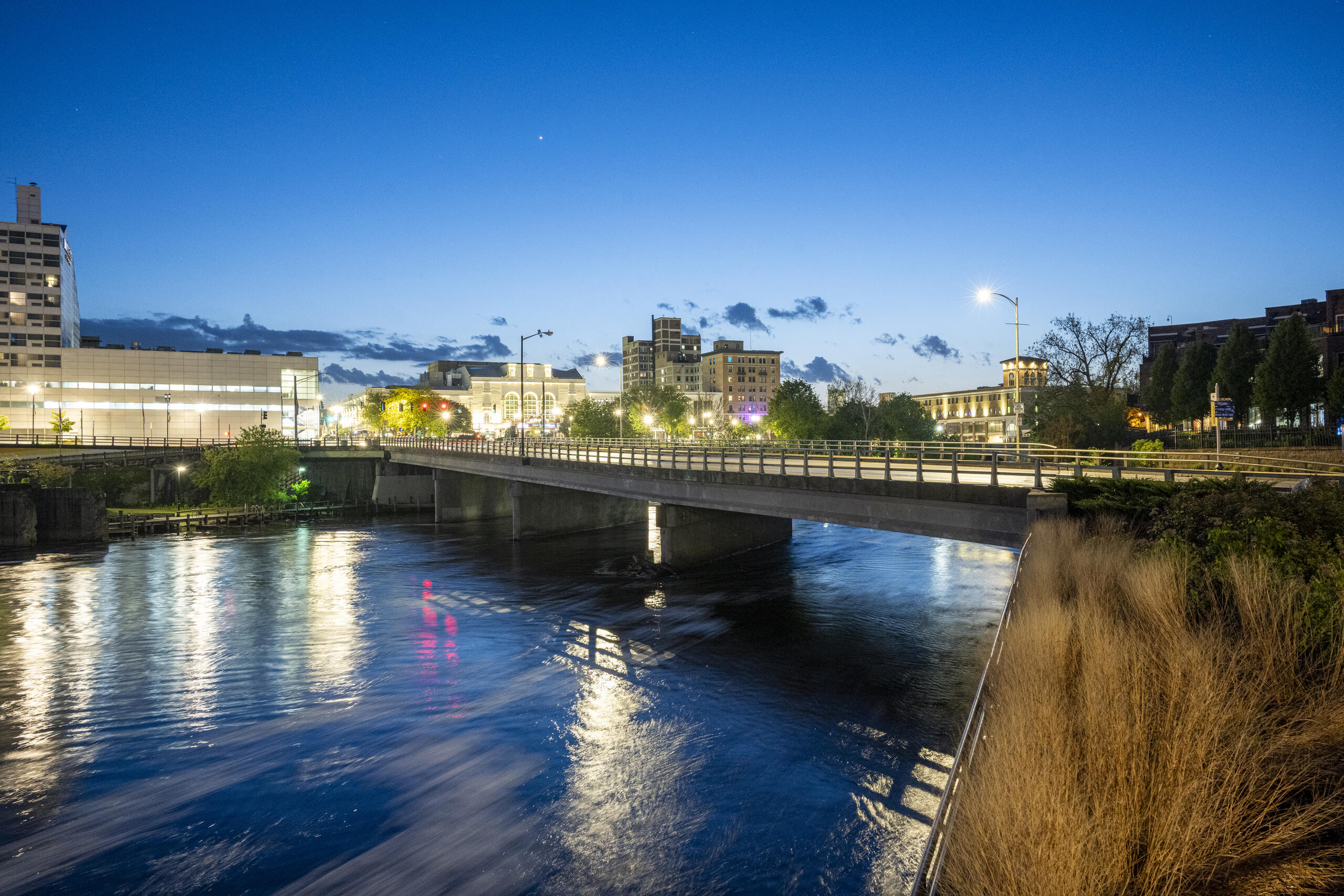
NIKON Z 7, NIKKOR Z 28mm f/2.8, 1.6, f/8.0, ISO 800
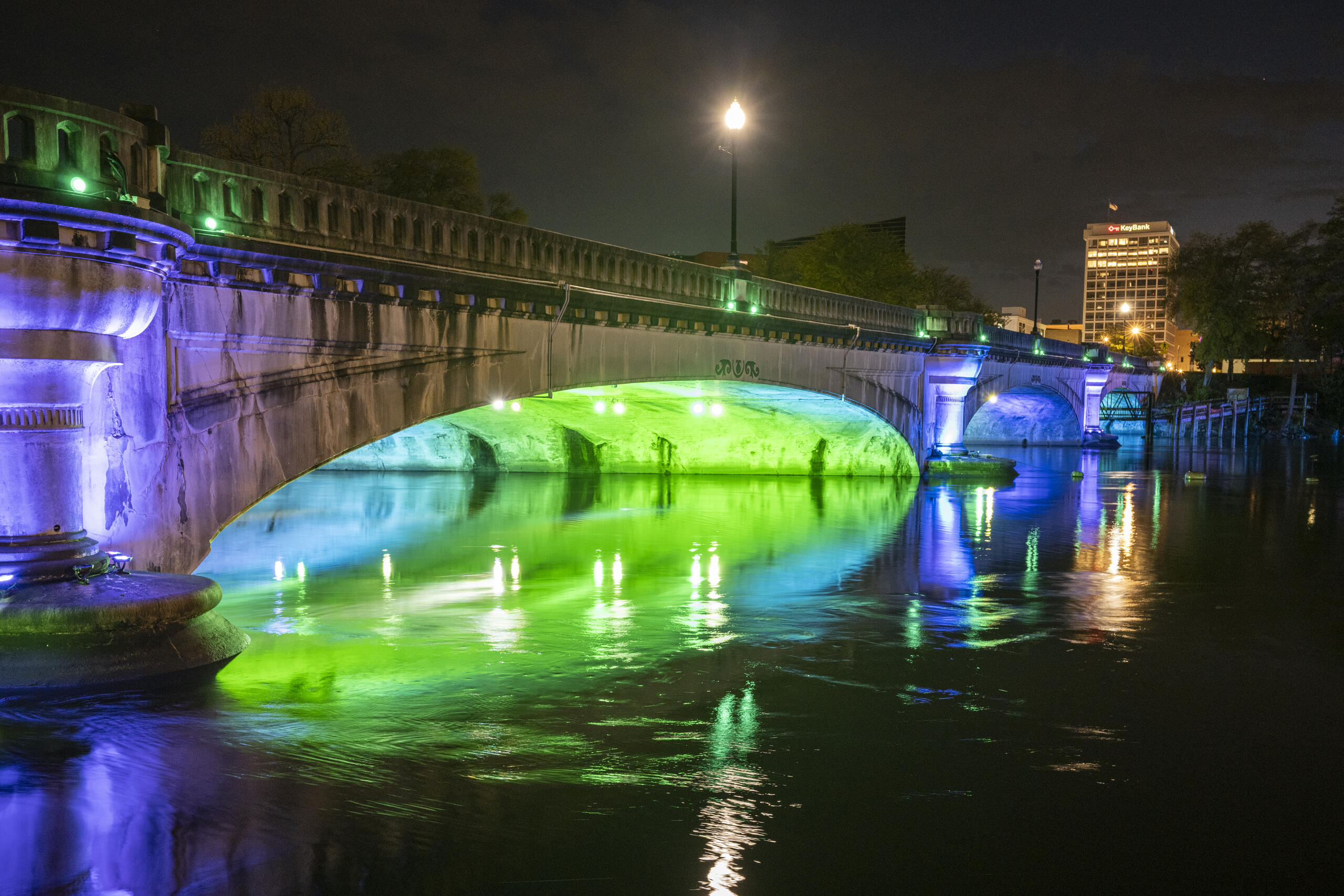
NIKON Z 7, NIKKOR Z 28mm f/2.8, 1, f/8.0, ISO 800
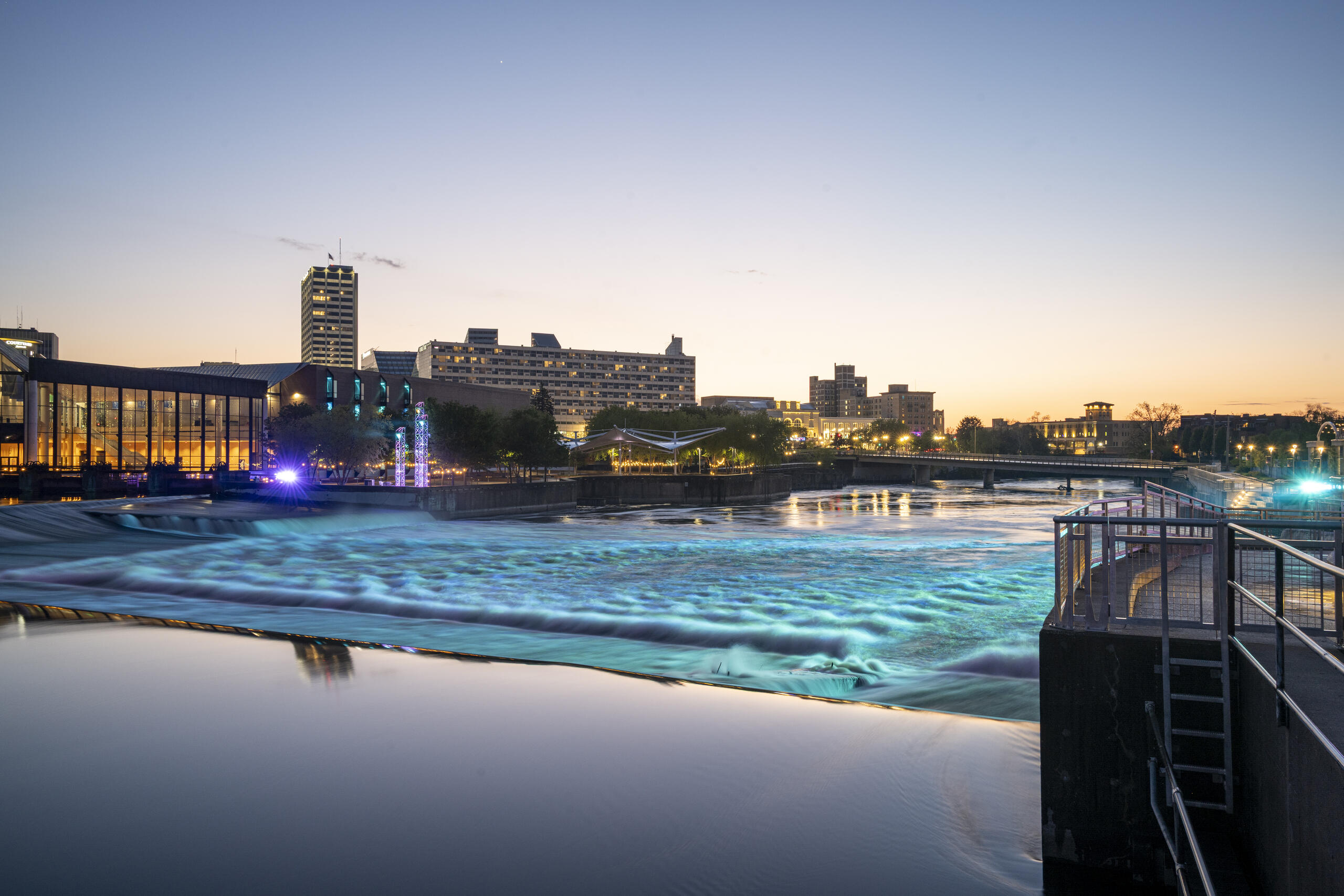
NIKON Z 7, NIKKOR Z 28mm f/2.8, 2.5, f/11.0, ISO 100
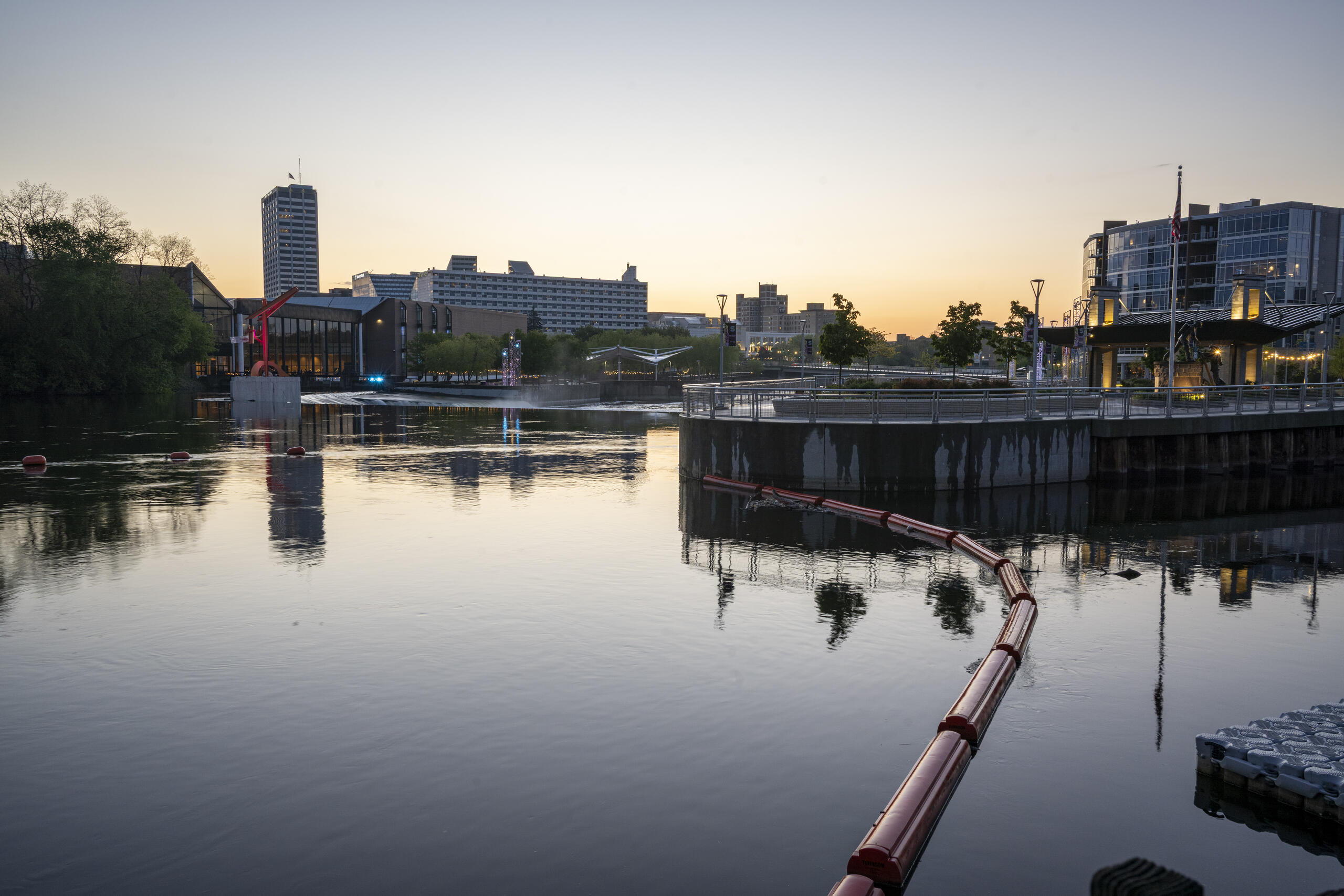
NIKON Z 7, NIKKOR Z 28mm f/2.8, 1/5, f/11.0, ISO 100
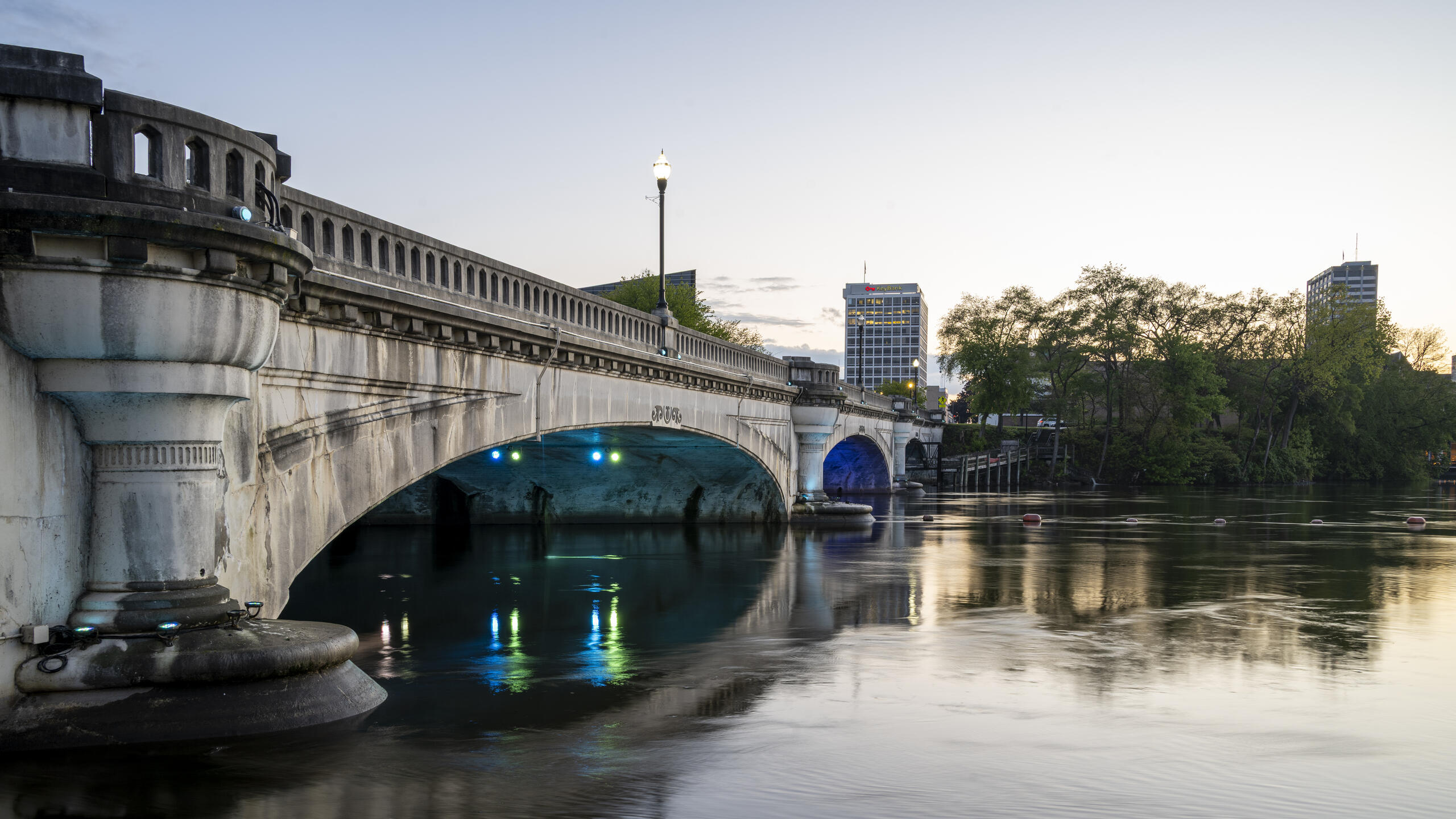
NIKON Z 7, NIKKOR Z 28mm f/2.8, 1.3, f/11.0, ISO 64
The rain was a bit of a double-edged sword. While the wet weather created fantastic, highly reflective surfaces for the colorful city lights to play across, stray water droplets also found their way onto my lens. I didn’t spot them in the viewfinder while shooting, but they left behind dark, soft artifacts that required quite a bit of cloning and healing work in post-processing later!
All done here? Return to my photography page or duck-pond.org.